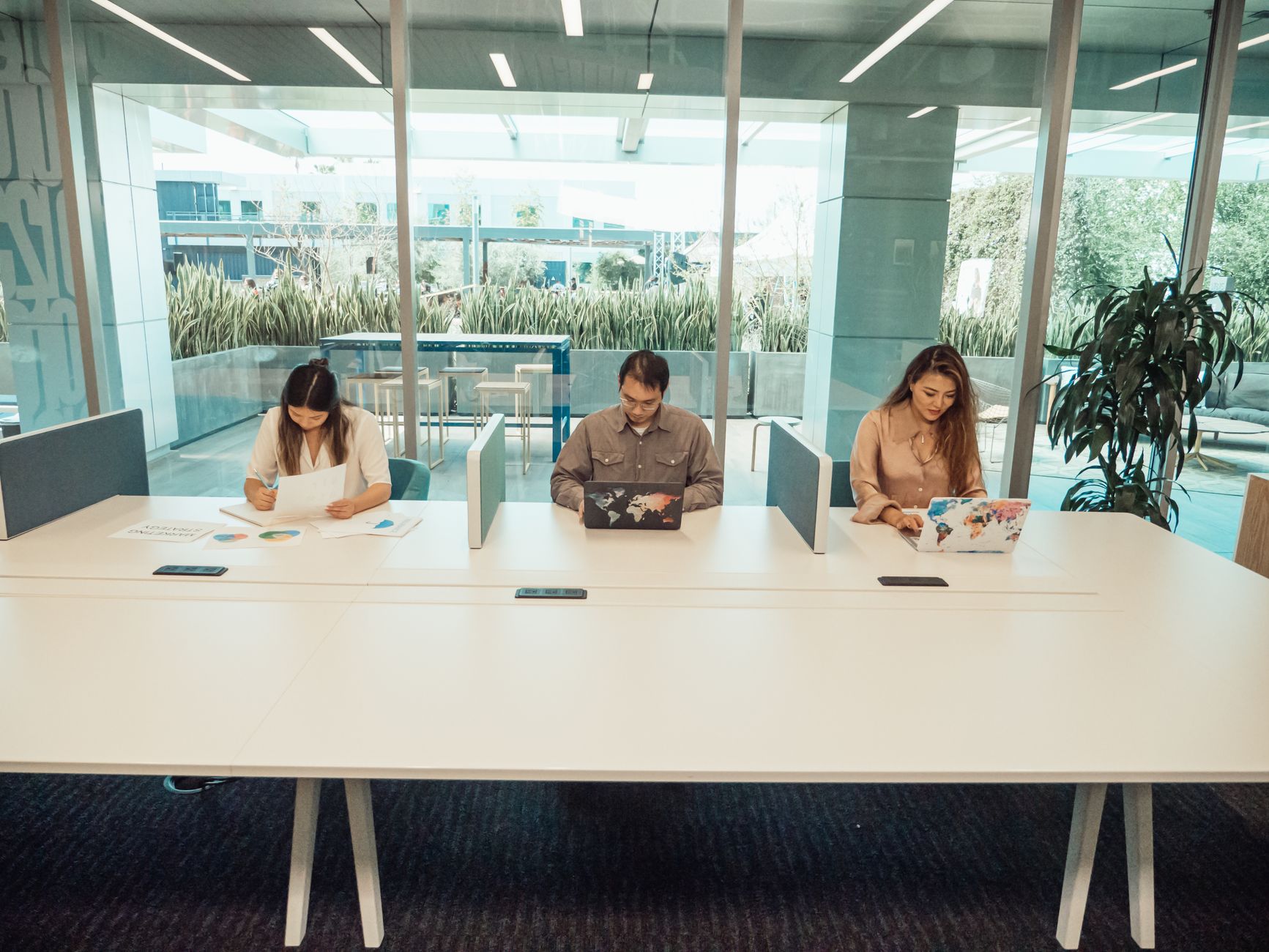
Morocco’s coworking sector has grown from a handful of spaces in 2018 to over 80 dedicated facilities in 2026, reshaping how tech professionals, freelancers, and startups approach their daily work. This coworking landscape overview examines the options available across major cities, the amenities that matter most to IT workers, and the community aspects that turn a shared desk into a career accelerator. For professionals weighing remote work against traditional office settings, understanding what these spaces actually deliver helps make informed decisions about where and how to build a career.
Coworking Landscape Overview by City
Casablanca dominates the coworking market with roughly 45 percent of all spaces concentrated in the economic capital. Technopark Casablanca remains the anchor institution, housing startups alongside established tech companies like SQLI Maroc and local software firms. Newer entrants such as New Work Lab and Regus locations in the Marina and Anfa districts cater to professionals seeking premium environments. The city’s coworking density reflects its position as Morocco’s tech employment hub, where companies like CGI Maroc and Capgemini Maroc maintain significant operations.
Rabat’s coworking scene has matured considerably, with Technopolis serving as the primary tech-focused cluster. The administrative capital attracts government contractors, NGO tech teams, and startups working on civic technology. Spaces here tend to be smaller and more community-oriented than their Casablanca counterparts. Monthly memberships in Rabat typically run 10 to 15 percent lower than equivalent Casablanca options, making the city attractive for early-stage ventures.
Marrakech has carved out a niche serving digital nomads and remote workers with international clients. The city’s coworking spaces, concentrated in Gueliz and the new Cite de l’Innovation district, emphasize lifestyle alongside productivity. Tech professionals working remotely for European companies often base themselves here, benefiting from lower living costs while maintaining proximity to Casablanca when client meetings require it. The city hosts between 12 and 15 dedicated coworking facilities, with several offering residential packages for longer stays.
Facilities That Matter for Tech Professionals
Internet reliability separates functional coworking spaces from frustrating ones. Most established Moroccan coworking facilities now offer fiber connections with speeds between 100 Mbps and 1 Gbps, with redundant backup lines to handle outages. For developers, data analysts, and anyone running video calls with international teams, this infrastructure is non-negotiable. Before committing to a membership, testing the actual speeds during peak afternoon hours reveals more than any marketing claim.
Meeting rooms with proper video conferencing setups have become standard in mid-tier and premium spaces. A proper remote work setup extends beyond personal equipment to include access to professional meeting environments when client presentations or team calls demand them. Most spaces charge meeting rooms separately from basic memberships, with rates ranging from 150 to 400 MAD per hour depending on capacity and equipment.
Dedicated desk options matter for professionals who need consistent setups. Hot-desking works for occasional use, but developers with multiple monitors or specialized hardware requirements typically need assigned spaces. Premium memberships at facilities like The Loft in Casablanca or Impact Lab in Rabat include storage, ergonomic chairs, and the ability to leave equipment overnight. These arrangements cost more but eliminate the daily friction of setting up and breaking down workstations.
Power backup systems distinguish serious facilities from converted cafe spaces. Load shedding remains rare in major Moroccan cities, but brief outages do occur. Spaces serving tech professionals typically maintain UPS systems for critical infrastructure and generators for extended outages, protecting ongoing work and video calls from sudden interruptions.
Membership Models and Pricing in MAD
Daily passes across Moroccan coworking spaces range from 100 to 250 MAD, positioning them as viable options for occasional use or trial periods before committing to longer terms. These passes typically include desk access, internet, and common area amenities but exclude meeting room time and printing. For freelancers between projects or professionals visiting from other cities, daily rates offer flexibility without commitment.
Monthly memberships represent the most common arrangement, with hot-desk access starting around 800 MAD in secondary locations and reaching 2,500 MAD for premium Casablanca addresses. Dedicated desks command premiums of 40 to 60 percent above hot-desk rates, reflecting the guaranteed availability and personalization they provide. According to market estimates, the average IT freelancer in Morocco spends between 1,200 and 1,800 MAD monthly on coworking membership.
Annual commitments typically offer discounts of 15 to 20 percent compared to monthly rates, making them attractive for established freelancers and small teams with predictable needs. Some spaces offer team packages that bundle multiple desks with shared meeting room credits and event access. For startups with three to five team members, these packages often prove more economical than traditional office leases, especially when accounting for utilities, maintenance, and cleaning that coworking fees include.
Virtual memberships have emerged as a category serving professionals who need business addresses and occasional physical access without daily presence. Priced between 300 and 600 MAD monthly, these packages provide mail handling, a professional address for business registration, and limited day passes. Remote workers employed by international companies sometimes use these arrangements to maintain local business presence while working primarily from home.
Networking and Professional Development
The community aspect of coworking spaces delivers value that pure facilities cannot replicate. Regular members report that informal connections made over coffee or during lunch breaks often lead to freelance referrals, partnership opportunities, and job leads. For professionals building careers in Morocco’s tech sector, networking remains essential to accessing opportunities that never reach public job boards.
Structured programming varies significantly between spaces. Tech-focused facilities like Technopark’s incubator spaces host regular pitch events, technical workshops, and mentorship sessions. General coworking spaces may offer monthly networking mixers and occasional skill-sharing sessions. Before joining, reviewing the actual event calendar from recent months reveals whether programming claims match reality. Some spaces advertise extensive programming but deliver only sporadic gatherings.
The mix of members shapes networking value as much as formal events. Spaces dominated by freelance designers and marketers offer different connection opportunities than those attracting software developers and data professionals. Visiting during regular working hours and observing who actually uses the space provides insight that websites and tours cannot. For IT professionals specifically, spaces with existing tech company presence or startup concentrations typically yield more relevant professional connections.
According to a 2024 global coworking study by Coworking Resources, members who actively participate in community events report 34 percent higher satisfaction with their memberships than those who use spaces purely for desk access. This pattern holds in the Moroccan market, where the most successful coworking communities maintain active WhatsApp groups, regular social events, and member directories that facilitate direct outreach.
Frequently Asked Questions
What internet speeds should I expect from Moroccan coworking spaces?
Established coworking spaces in Casablanca and Rabat typically offer fiber connections between 100 Mbps and 1 Gbps. Always test actual speeds during peak hours before committing to a membership, as advertised speeds and real-world performance can differ significantly.
How do coworking costs compare to renting a small office in Morocco?
A dedicated desk in a quality coworking space costs between 1,400 and 2,500 MAD monthly in Casablanca. A comparable small office would run 4,000 to 8,000 MAD before utilities, internet, and cleaning. For individuals and teams under five people, coworking typically offers better value and flexibility.
Can I use a coworking space address for business registration in Morocco?
Yes, most coworking spaces offer virtual membership packages that include a business address suitable for company registration. These packages typically cost 300 to 600 MAD monthly and include mail handling services alongside limited physical access to the space.