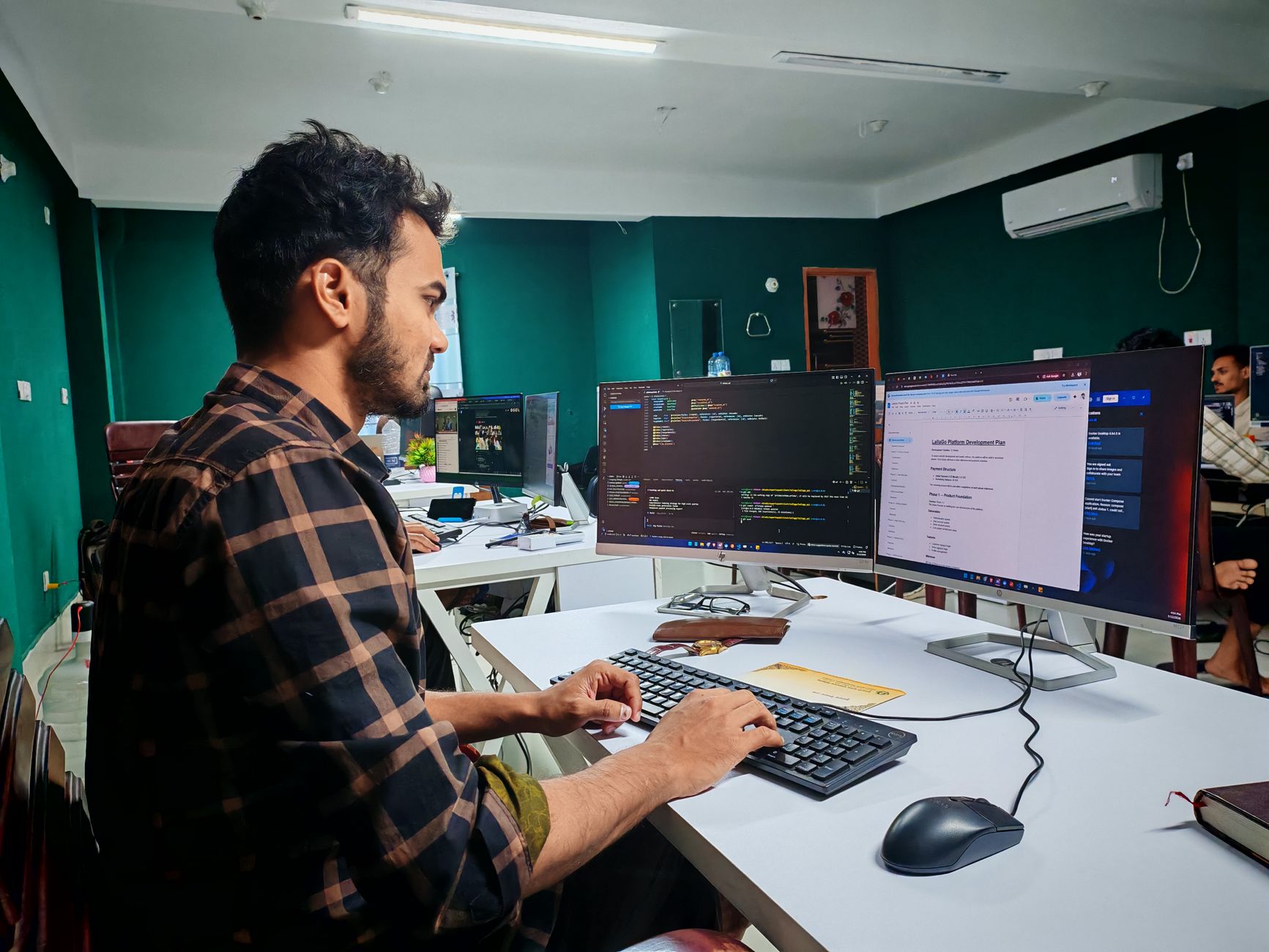
The Moroccan tech sector has grown substantially over the past five years, creating thousands of positions for professionals who can write, test, and maintain code. Companies from Casablanca to Rabat now compete for talent capable of building everything from banking applications to e-commerce platforms. For anyone considering this career path, understanding what employers actually expect from a software developer in Morocco helps clarify whether the role matches your ambitions and current skill set.
Key Responsibilities of a Software Developer in Morocco
Software developers in Morocco handle the full cycle of application creation, from initial design through deployment and ongoing maintenance. At companies like SQLI Maroc, CGI Maroc, and Capgemini Maroc, developers spend their days writing code, reviewing pull requests from colleagues, and troubleshooting production issues. The work varies depending on the employer, but certain core tasks remain consistent across the industry.
Designing and writing clean, maintainable code represents the foundation of the job. Developers translate business requirements into functional applications, whether building a mobile banking feature for Attijariwafa Bank or creating inventory management systems for OCP Group. Testing comes next, where developers write unit tests, conduct code reviews, and work with QA teams to eliminate bugs before release. This debugging process often consumes more time than the initial coding itself.
Collaboration defines modern software development in Morocco. Developers rarely work in isolation. They participate in daily standups, sprint planning sessions, and architecture discussions with designers, product managers, and other engineers. At Technopark Casablanca and Technopolis Rabat, agile methodologies dominate, meaning developers must communicate progress clearly and adapt quickly when project requirements shift.
Maintaining existing systems takes up a significant portion of most developers’ time. Legacy code needs updates to remain secure and compatible with new technologies. A developer at Maroc Telecom, for instance, might spend weeks refactoring old telecommunications software while simultaneously building new features. Understanding this balance between creation and maintenance helps set realistic expectations for the role.
Technical and Soft Skills Employers Demand
Moroccan employers hiring for software developer positions look for specific technical competencies. Python has become particularly popular across industries, from fintech startups to established enterprises. Java remains essential for enterprise applications, especially in banking and telecommunications. JavaScript and its frameworks power most web development work, while SQL knowledge proves necessary for nearly every backend role.
Beyond programming languages, developers need familiarity with version control systems like Git, cloud platforms such as AWS or Azure, and containerization tools including Docker. Companies increasingly expect candidates to understand CI/CD pipelines and basic DevOps practices. A developer who can write code and deploy it efficiently holds more value than one who relies entirely on operations teams.
Soft skills separate good developers from great ones. Problem-solving ability matters most, as debugging complex issues requires patience and systematic thinking. Communication skills prove equally important when explaining technical constraints to non-technical stakeholders or documenting code for future team members. Employers at firms like CBI specifically mention these interpersonal abilities in job postings.
Analytical thinking helps developers break down large problems into manageable components. Emotional intelligence contributes to healthy team dynamics, particularly when deadlines create pressure. The ability to receive constructive criticism about code without becoming defensive marks a professional ready for collaborative environments. These soft skills become more important as developers advance into senior positions where mentoring junior colleagues becomes part of the job.
Academic Paths and Certifications That Matter
Most software developers in Morocco hold degrees from institutions like ENSIAS, ENSA, or INPT. A bachelor’s degree in computer science or software engineering provides the theoretical foundation employers expect. However, the Moroccan market has become more flexible about educational backgrounds. Graduates from coding bootcamps and self-taught developers with strong portfolios increasingly land positions at reputable companies.
Certifications add credibility to a developer’s profile, particularly for those without traditional degrees. The AWS Certified Developer Associate certification signals competency in cloud development, a skill set in high demand as Moroccan companies migrate infrastructure to the cloud. For those interested in project management aspects, Certified Scrum Master credentials demonstrate familiarity with agile workflows used throughout the industry.
CompTIA certifications provide entry points for career changers moving into tech. The IT certification landscape in Morocco has expanded considerably, with testing centers now available in major cities. Security-focused certifications like CISSP appeal to developers working on sensitive applications in banking or government sectors.
Continuous learning remains essential throughout a developer’s career. Technologies evolve rapidly, and skills that command premium salaries today may become standard expectations within a few years. Many developers dedicate several hours weekly to learning new frameworks, contributing to open-source projects, or building personal applications that demonstrate their capabilities to future employers.
Salary Expectations and Compensation Packages
The salary range for a software developer in Morocco varies considerably based on experience, location, and specialization. According to market estimates, junior developers with less than two years of experience typically earn between 8,000 and 12,000 MAD monthly. Mid-level developers with three to five years of experience command salaries ranging from 15,000 to 25,000 MAD. Senior developers and technical leads can expect 30,000 MAD or higher, particularly at multinational companies operating in Casablanca.
Location significantly impacts compensation. Casablanca offers the highest salaries due to its concentration of financial institutions and tech companies. Rabat follows closely, benefiting from government contracts and the growing startup ecosystem around Technopolis. Developers in Marrakech, Tangier, and other cities typically earn 10 to 20 percent less than their counterparts in the economic capital, though lower living costs partially offset this difference.
Specialized skills command premium compensation. Developers proficient in cloud architecture, cybersecurity, or machine learning often negotiate salaries above standard ranges. The Hespress technology section regularly reports on growing demand for these specializations among Moroccan employers. Companies competing for scarce talent in these areas frequently offer signing bonuses and accelerated promotion paths.
Beyond base salary, many employers provide additional benefits worth considering. Health insurance coverage for employees and dependents has become standard at larger firms. Performance bonuses tied to project completion or company profits add meaningful income. Professional development budgets covering conference attendance, online courses, and certification exams help developers advance their careers while employed. Understanding how to effectively negotiate your salary in Morocco can significantly impact total compensation over a career.
Frequently Asked Questions
What programming languages should I learn first for software developer jobs in Morocco?
Python and JavaScript offer the broadest opportunities across Moroccan employers. Python appears in job postings from startups to enterprises, while JavaScript remains essential for web development roles. Adding Java to your skill set opens doors to banking and telecommunications positions at companies like Attijariwafa Bank and Maroc Telecom.
Can I become a software developer in Morocco without a computer science degree?
Yes, the Moroccan tech market has become increasingly open to non-traditional candidates. Coding bootcamp graduates and self-taught developers regularly secure positions, provided they demonstrate competency through portfolios, GitHub contributions, or relevant certifications. Building real projects matters more than credentials alone.
How long does it take to reach a senior software developer salary in Morocco?
Most developers reach senior-level compensation after five to seven years of professional experience. However, those who specialize in high-demand areas like cloud computing or cybersecurity may accelerate this timeline. Changing employers strategically often produces faster salary growth than staying at a single company throughout your career.